
Analysis Package P15 : Uronic Acids
We are able to determine the contents of five different uronic acids: glucuronic acid, 4-O-Methyl-D-Glucuronic Acid, galacturonic acid, mannuronic acid, and guluronic acid.
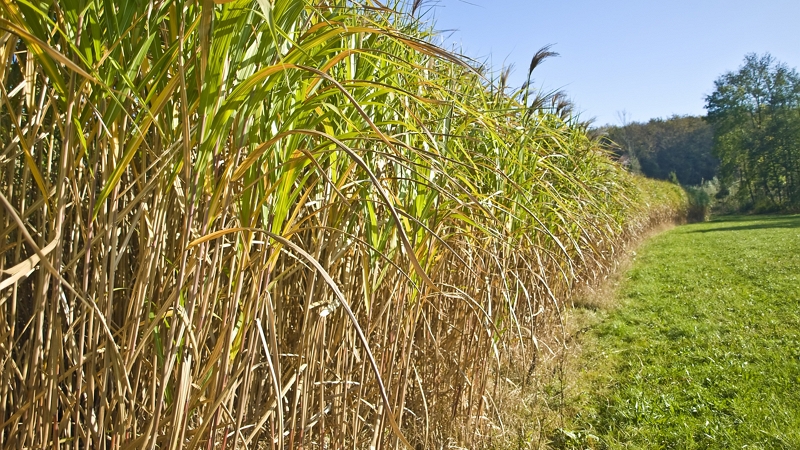
We can determine the uronic acid composition of lignocellulosic biomass, seaweed, and liquids. This analysis package is suitable for the analysis of the uronic acid composition of liquid samples. In order for you to use this package to determine the uronic acid composition of non-seaweed biomass samples it will be necessary to first obtain a hydrolysate suitable for analysis. Examples of analysis packages that will produce such a hydrolysate from biomass include "P7 - Lignocellulosic Sugars", "P9 - Lignocellulosic Sugars and Lignin", and "P10 - Sugars, Lignin, Extractives, Ash".
If you are interested in the uronic acid composition of seaweed then please refer to our seaweed analysis packages.
If you are interested in us determining the concentrations of different uronic acids than the five we currently analyse then please get in touch and we will try to develop a custom analytical method for you.
Constituents Determined
Examples of the data reports generated can be viewed on the Celignis Database. Please log on to the guest account using email "test@celignis.com" and password "celignis".
Click here to place an order for determining Uronic Acids.
Request a QuoteUronic Acids
Equipment Used for Uronic Acids Analysis
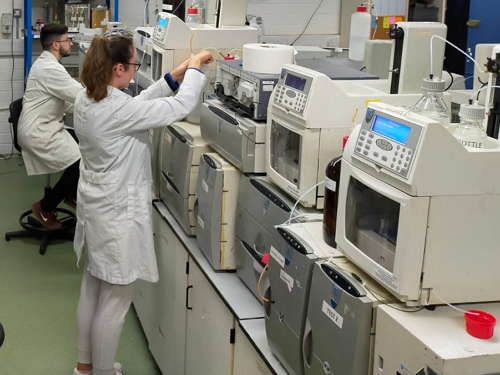
Ion Chromatography
A Dionex ICS-3000 system that is equipmed with electrochemical, conductivity, and ultraviolet-visible detectors.
This study presents a method for effective pectin extraction from the laminae of three tobacco varieties as a means of biomass valorisation. Two pre-treatment methods (cold ethanol vs. accelerated solvent extraction [ASE] with ethanol) were compared for their capacities to produce a high pectin yield. Enzymatic extraction of pectin was also tested as a green extraction procedure and compared to the acid extraction approach. The optimisation experiments revealed that cold ethanol extraction followed by acid hydrolysis is the most convenient method for pectin extraction; the optimal set of conditions for hydrolysis were identified as 90°C, pH 1.5, and 4 h of extraction. Applying these optimised conditions to the three Nicotiana rustica tobacco varieties yielded pectin recoveries of 66.2%, 57.8%, and 56.7% from the NRT63, Bakoum Miena, and NRT61 samples, respectively. Tobacco pectins were found to have a medium molecular weight and low methoxy content. These results highlight the potential of tobacco residues as feedstock for to produce pectin with dietary applications. | |||
Knowing the accurate composition of biomass is of crucial importance in order to assess and decide on the use and processes to be applied to specific biomass types. In this study, the composition of the lignocellulosic constituents present in forestry, agricultural and underutilised waste residues was assessed. Considering the increased interest on hemicellulose fractions for application in biomaterials and biomolecules, large emphasis has been given in detailing the monomeric constituents of the hemicellulose polymer. Lignin and cellulose, the two other major components of lignocellulosic biomass, were analysed and correlated with the trends in the other constituents. In the samples analysed, the total structural sugars content ranged from 26.0 to 67.5% of the biomass dry weight, indicating high variation between different feedstock and fractions. Hemicellulose concentration and composition also varied significantly (from 38.8% in birch (Betula Pendula Roth) foliage to 22.0 % in rice (Oryza sativa L.) straw) between the feedstock types and within the same feedstock type between different species and different fractions. The extractives content varied greatly between the different species (from 2.66 % to 30.47 % of the biomass dry weight) with high contents in certain fractions of feedstock suggesting more detailed compositional analysis of these extracts is warranted. | ||
In this study, 18 animals were fed two forage-based diets: red clover (RC) and grass silage (GS), in a crossover-design experiment in which methane (CH4) emissions were recorded in respiration chambers. Rumen samples obtained through naso-gastric sampling tubes were analysed by NMR. Methane yield (g/kg DM) was significantly lower from animals fed RC (17.8 +/- 3.17) compared to GS (21.2 +/- 4.61) p = 0.008. In total 42 metabolites were identified, 6 showing significant differences between diets (acetate, propionate, butyrate, valerate, 3-phenylopropionate, and 2-hydroxyvalerate). Partial least squares discriminant analysis (PLS-DA) was used to assess which metabolites were more important to distinguish between diets and partial least squares (PLS) regressions were used to assess which metabolites were more strongly associated with the variation in CH4 emissions. Acetate, butyrate and propionate along with dimethylamine were important for the distinction between diets according to the PLS-DA results. PLS regression revealed that diet and dry matter intake are key factors to explain CH4 variation when included in the model. Additionally, PLS was conducted within diet, revealing that the association between metabolites and CH4 emissions can be conditioned by diet. These results provide new insights into the methylotrophic methanogenic pathway, confirming that metabolite profiles change according to diet composition, with consequences for CH4 emissions. | |
Acetone organosolv fractionation of beech and birch wood at the lab-scale results in high sugar yields from the (hemi)cellulose and the isolation of a high-purity lignin. In this study, the process is scaled up to validate the technology at the pilot scale using industrial-size beech and birch wood chips and low liquid-to-solid ratios as a next step toward commercialization. Translation of the fractionation process to the pilot-scale showed a similar performance as compared to the lab-scale processing with a good conversion of the wood polymeric pentoses to mostly monomeric sugars and a high delignification. Continuous lignin precipitation by solvent evaporation using the LigniSep process resulted in the formation of nonsticky lignin aggregates with a good filterability. The improved lignin yields and advanced process design as compared to the traditional dilutive lignin precipitation approaches are likely to translate to a better process economy. The pulp washing efficiency and the recovery of (nonprecipitable) lignin from the aqueous hemicellulose stream still need to be improved for an efficient process design. However, the fractionation performance and high product concentrations in the spent liquor provide an excellent start position for improved process design at the commercial scale. | |
Pretreatments of lignocellulosic biomass prior to fast pyrolysis need to give a better yield and quality of pyrolysis oil and be practical to implement at a commercial scale. This study demonstrated, at a large pilot scale, that thermomechanical refining can reduce the particle size, hemicellulose content, and mineral content of pine wood chips, leading to improved yields of carbohydrate-derived chemicals on fast pyrolysis. Additionally, a hemicellulose-rich byproduct can be generated during the pretreatment for separate valorization. The impact of different presteaming times, citric acid infusion, and disc refining on the yield and composition of the pyrolysis oil was studied. Presteaming of citric acid-infused wood chips at 173 C for 3 min and refining to wood fiber proved most effective in improving the yield of pyrolysis oil organics, including the valuable biochemicals levoglucosan and hydroxyacetaldehyde, while reducing the yields of low-value char and noncondensable gases. | |
Lignin (Klason), Lignin (Acid Soluble), Acid Insoluble Residue, Ash (Acid Insoluble),
As P10 plus protein-corrected lignin, water-soluble sugars, uronic acids, acetyl content and starch.
Glucuronic Acid, Galacturonic Acid, Mannuronic Acid, Guluronic Acid, 4-O-Methyl-D-Glucuronic Acid, Iduronic Acid,
Total Sugars in Enzyme Hydrolysate, Glucose in Enzyme Hydrolysate, Xylose in Enzyme Hydrolysate, Arabinose in Enzyme Hydrolysate, Mannose in Enzyme Hydrolysate, Galactose in Enzyme Hydrolysate, Rhamnose in Enzyme Hydrolysate, Cellobiose in Enzyme Hydrolysate, Enzymatic Hydrolysis Kinetics, Cellulose Conversion Yield, Xylan Conversion Yield, Combined Sugar Yield, Cellulose Conversion Rate, Xylan Conversion Rate,
As P121 plus comparisons with data from the non-pretreated original sample, including: Increase in Cellulose Accessibility after Pre-Treatment, Percent Increase in Cellulose Conversion Efficiency, Percent Increase in Cellulose Conversion Rate.
As P9 but on the solid residue after enzymatic hydrolysis.
Formic Acid, Acetic Acid, Levulinic Acid, Furfural, Hydroxymethylfurfural,
Includes all hydrolysate sugars and kinetics in P121 and: Cellulose Conversion Yield, Cellulose Conversion Rate
Includes all hydrolysate sugars and kinetics in P121 and: Xylan Conversion Yield, Xylan Conversion Rate
Total Sugars in Enzyme Hydrolysate, Glucose in Enzyme Hydrolysate, Maltose in Enzyme Hydrolysate, a-Amylase Hydrolysis Kinetics, Glucoamylase Hydrolysis Kinetics,
Glucose, Xylose, Fructose, Sucrose, Mannose, Arabinose, Galactose, Rhamnose, Xylitol, Sorbitol, Trehalose, Mannitol, Arabinitol, Glycerol, Raffinose,
Levulinic Acid, Formic Acid, Hydroxymethylfurfural, Furfural, Acetic Acid, gamma-Valerolactone,
Xylobiose, Xylotriose, Arabinobiose, Arabinotriose,
Maltose, Maltotriose, Maltotetraose, Maltopentaose, Maltohexaose, Maltoheptaose, Maltooctaose,
Glucuronic Acid, Galacturonic Acid, Mannuronic Acid, Guluronic Acid, 4-O-Methyl-D-Glucuronic Acid, Iduronic Acid,
Gibberellic Acid, Indole-3-acetic acid, Indole-2-acetic acid, Indole-3-propionic acid, Indole-3-butyric acid, 6-Benzylaminopurine, Kinetin riboside, Abscisic acid, Salicylic acid,
beta-Carotene, Ergocalciferol (Vitamin D2), Alpha-tocopherol (vitamin E), Phylloquinone (Vitamin K1),
Thiamine (Vitamin B1), Riboflavin (Vitamin B2), Niacin (Vitamin B3), Niacinamide (vitamin B3), Pantothenic Acid (Vitamin B5), Pyridoxine (Vitamin B6), Folate (Vitamin B9), Cobalamin (Vitamin B12), Ascorbic Acid (Vitamin C),
Fucose, Mannitol, Glucose, Xylose, Mannose, Arabinose, Galactose, Rhamnose, Total Sugars, Glucuronic Acid, Galacturonic Acid, Mannuronic Acid, Guluronic Acid, Iduronic Acid,
Alanine, Arginine, Aspartic Acid, Asparagine, Cystine, Glutamic Acid, Glutamine, Glycine, Histidine, Isoleucine, Leucine, Lysine, Methionine, Phenylalanine, Proline, Serine, Threonine, Tryptophan, Tyrosine, Valine,
Aluminium, Calcium, Iron, Magnesium, Phosphorus, Potassium, Silicon, Sodium, Titanium,
Arachidic Acid, Behenic Acid, Decanoic Acid, Erucic Acid, Lauric Acid, Linoleic Acid, Linolenic Acid, Myristic Acid, Caprylic Acid, Oleic Acid, Palmitic Acid, Palmitoleic Acid, Stearic Acid, Lignoceric Acid,
Fucoxanthin, Astaxanthin, Chlorophyll-c, Chlorophyll-a, Chlorophyll-b, Lutein, beta-Carotene, Neoxanthin, Antheraxanthin, Violaxanthin,
Gibberellic Acid, Indole-3-acetic acid, Indole-2-acetic acid, Indole-3-propionic acid, Indole-3-butyric acid, 6-Benzylaminopurine, Kinetin riboside, Abscisic acid, Salicylic acid,
beta-Carotene, Ergocalciferol (Vitamin D2), Alpha-tocopherol (vitamin E), Phylloquinone (Vitamin K1),
Thiamine (Vitamin B1), Riboflavin (Vitamin B2), Niacin (Vitamin B3), Niacinamide (vitamin B3), Pantothenic Acid (Vitamin B5), Pyridoxine (Vitamin B6), Folate (Vitamin B9), Cobalamin (Vitamin B12), Ascorbic Acid (Vitamin C),
Chlorophyll-a, Chlorophyll-b, Lutein, beta-Carotene, Neoxanthin, Astaxanthin, Zeaxanthin, Antheraxanthin, Violaxanthin,
Biomethane Potential (BMP), Total Biogas Volume, Total Solids, Volatile Solids, pH, Biogas Methane Content, Biogas Carbon Dioxide Content, Biogas Oxygen Content, Biogas Hydrogen Sulphide Content, Biogas Ammonia Content,
Total Solids, Volatile Solids, pH, Chemical Oxygen Demand (COD), Phosphorus, Potassium, Ammonia, Carbon, Hydrogen, Nitrogen, Sulphur,
Total Solids, Volatile Solids, pH, Chemical Oxygen Demand (COD), Phosphorus, Potassium, Ammonia, Carbon, Hydrogen, Nitrogen, Sulphur,
Residual Biogas Potential (RBP), Total Biogas Volume, Total Solids, Volatile Solids, pH, Biogas Methane Content, Biogas Carbon Dioxide Content, Biogas Oxygen Content, Biogas Hydrogen Sulphide Content, Biogas Ammonia Content,
Acetic Acid, Lactic Acid, Propionic Acid, Butyric Acid, Isobutyric Acid, Valeric Acid, Isovaleric Acid,
Levoglucosan, Cellobiosan, Mannosan, Galactosan, Glucose, Xylose, Mannose, Arabinose, Galactose, Rhamnose, Fucose, Sucrose, Cellobiose, Total Sugars,
31 constituents including Phenol, Furfural, Syringol, and Vanillin
Specific Surface Area (Nitrogen Gas Adsorption), BET Isotherm (5 Point Using Nitrogen),
Specific Surface Area (Nitrogen Gas Adsorption), BET Isotherm (20 Point Using Nitrogen), Pore Volume (Using Nitrogen), Pore Size Distribution (Using Nitrogen), Average Pore Width (Using Nitrogen),
Specific Surface Area (Nitrogen Gas Adsorption), BET Isotherm (40 Point Using Nitrogen), Pore Volume (Using Nitrogen), Pore Size Distribution (Using Nitrogen), Average Pore Width (Using Nitrogen),
Gross Calorific Value, Net Calorific Value, Ash, Carbon, Hydrogen, Nitrogen, Sulphur, Oxygen,
Aluminium, Calcium, Iron, Magnesium, Phosphorus, Potassium, Silicon, Sodium, Titanium,
Antimony, Arsenic, Cadmium, Chromium, Cobalt, Copper, Lead, Manganese, Mercury, Molybdenum, Nickel, Vanadium, Zinc,
Ash Shrinkage Starting Temperature (Reducing), Ash Deformation Temperature (Reducing), Ash Hemisphere Temperature (Reducing), Ash Flow Temperature (Reducing),
Moisture, Ash Content (815C), Carbon, Hydrogen, Nitrogen, Sulphur, Oxygen, Chlorine, Volatile Matter, Fixed Carbon, Aluminium, Calcium, Iron, Magnesium, Phosphorus, Potassium, Silicon, Sodium, Titanium, Gross Calorific Value, Net Calorific Value, Ash Shrinkage Starting Temperature (Reducing), Ash Deformation Temperature (Reducing), Ash Hemisphere Temperature (Reducing), Ash Flow Temperature (Reducing),
As P393 plus inorganic carbon, organic carbon, TGA (under nitrogen and air), and inherent moisture
Aluminium, Calcium, Iron, Magnesium, Phosphorus, Potassium, Silicon, Sodium, Titanium,
Antimony, Arsenic, Cadmium, Chromium, Cobalt, Copper, Lead, Manganese, Mercury, Molybdenum, Nickel, Vanadium, Zinc,
Acenaphthene, Acenaphthylene, Anthracene, Benz[a]anthracene, Benzo[b]fluoranthene, Benzo[k]fluoranthene, Benzo[ghi]perylene, Benzo[a]pyrene, Chrysene, Dibenz[a,h]anthracene, Fluoranthene, Fluorene, Indeno[1,2,3-cd]pyrene, 1-Methylnaphthalene, 2-Methylnaphthalene, Naphthalene, Phenanthrene, Pyrene,
Time to Germination, Mean Shoot Length (Week 1), Mean Shoot Length (Week 2), Mean Shoot Length (Week 3), Mean Shoot Length (Week 4), Shoot Weight (Week 4), Mean Root Length (Week 4), Root Weight (Week 4),
As Deluxe package plus P383, SEM Imaging (P387) and Plant Growth Trials (P388)
Includes everything from P391 (Physical Properties Ultimate), P394 (Thermal Properties Ultimate), and P397 (Soil Amendment Ultimate)
Gross Calorific Value, Net Calorific Value, Ash, Carbon, Hydrogen, Nitrogen, Sulphur, Oxygen,
Aluminium, Calcium, Iron, Magnesium, Phosphorus, Potassium, Silicon, Sodium, Titanium,
Antimony, Arsenic, Cadmium, Chromium, Cobalt, Copper, Lead, Manganese, Mercury, Molybdenum, Nickel, Vanadium, Zinc,
Volatile Matter, Fixed Carbon, Moisture, Ash, Carbon, Hydrogen, Nitrogen, Sulphur, Oxygen, Gross Calorific Value, Net Calorific Value, Chlorine,
Ash Shrinkage Starting Temperature (Oxidising), Ash Deformation Temperature (Oxidising), Ash Hemisphere Temperature (Oxidising), Ash Flow Temperature (Oxidising),
Iowa-based Facility will Offer Our Services to US-Based Clients
We're delighted to announce that today marks the official launch date of Celignis USA. This latest development in the extension of the Celignis family will offer all of Celignis's services to US-based clients. The 10,000 sq. ft facility is located in Waterloo, Iowa and leverages Celignis's 11 years of expertise in the bioeconomy.

Click here to read more about Celignis USA and our history leading to this point.
Read...
Articles cover bioprocess development as well as analytical services across many different sectors
We currently offer over 150 analysis packages, covering close to 400 different analytes. We have been proud to provide data to a diverse array of clients over the years, including many from research institutions. A recent literature search found a large number of peer-reviewed articles citing data provided by Celignis. These papers cover our
Read...